Calculation Devices Enhancing Strategic Planning and Compliance Measures in Hybrid Poker Settings
Written by Sam Werner · Jun 8, 2026
Calculation Devices Enhancing Strategic Planning and Compliance Measures in Hybrid Poker Settings
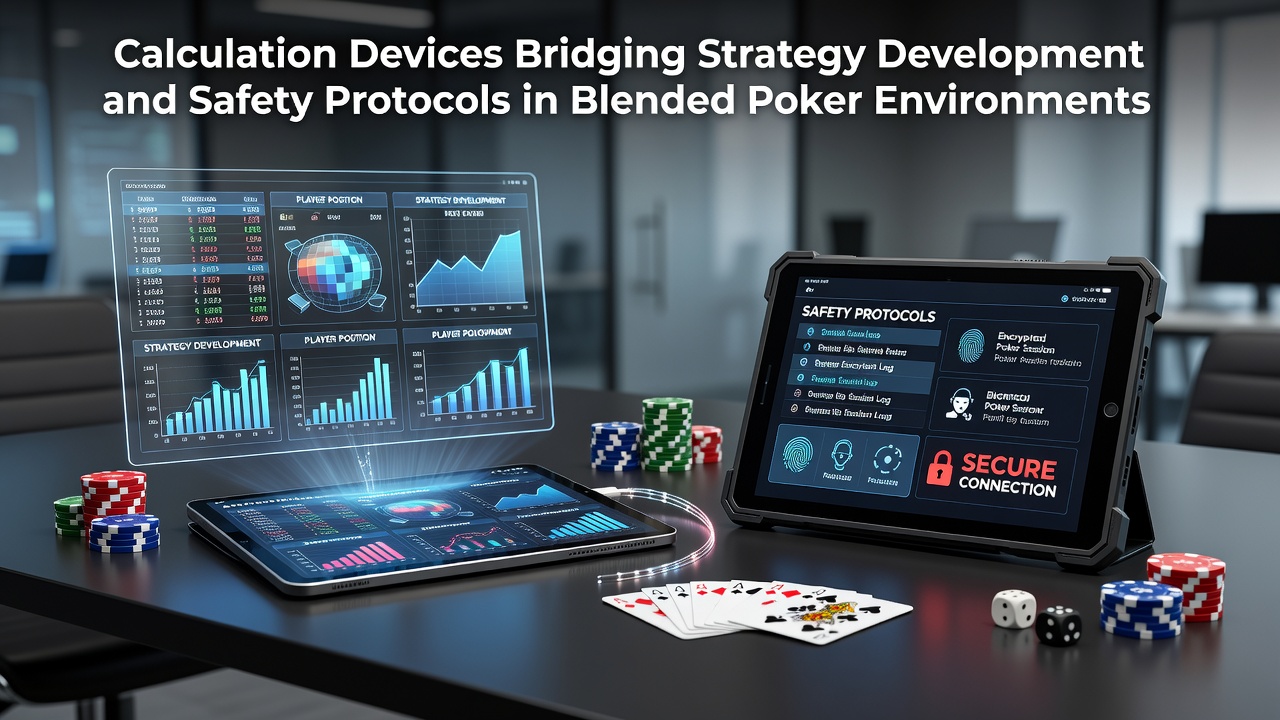
Calculation devices have become central to poker environments that combine live and digital formats, where players use software tools to refine decision-making processes while operators implement layered verification systems. These tools process real-time probabilities and historical data patterns, allowing participants to adjust tactics based on stack sizes, position metrics, and opponent tendencies across both physical tables and virtual platforms.
Integration of Odds Calculators in Mixed-Format Play
Data from regulatory filings shows that hybrid poker events in North American markets grew by 18 percent between 2024 and 2025, prompting increased reliance on portable calculation utilities. Observers note that these devices connect directly to secure databases that log player inputs without exposing sensitive account details, creating a bridge between aggressive strategy development and mandatory safety checks enforced by venue operators.
Players often access apps that display equity percentages during breaks in live tournaments while the same systems feed anonymized statistics into compliance dashboards monitored by gaming authorities. This dual function supports precise range construction in strategy sessions and simultaneous tracking of session duration limits that protect against extended play periods.
Real-Time Analytics and Protocol Alignment
Research from the University of Nevada's gaming studies program indicates that calculation software now incorporates geofencing capabilities that align with state-level oversight requirements as of June 2026. When a user switches between a live casino floor and an online client, the device maintains continuous verification of location data and betting patterns, reducing opportunities for unauthorized account sharing.
Industry reports highlight cases where integrated systems flagged unusual variance in hand outcomes within seconds, triggering automated reviews that pause play until human moderators confirm adherence to house rules. Such mechanisms allow strategists to experiment with advanced multi-street calculations while the underlying infrastructure enforces deposit thresholds and self-exclusion lists across blended sessions.
Case Examples from Regulated Markets
Take one operator in the Canadian province of Ontario that deployed calculation-enhanced training modules for its hybrid poker offerings; figures from the Alcohol and Gaming Commission of Ontario reveal a 12 percent drop in reported player disputes after implementation. The modules teach probability modeling while embedding mandatory cooling-off prompts derived from the same algorithmic framework.
Another instance involves European tournament circuits that pair handheld equity calculators with blockchain-based audit trails. According to documentation released by the Malta Gaming Authority, these trails record every calculation query generated during events, enabling post-tournament analysis that separates legitimate strategic refinement from potential collusion signals.
Technical Architecture Supporting Dual Objectives
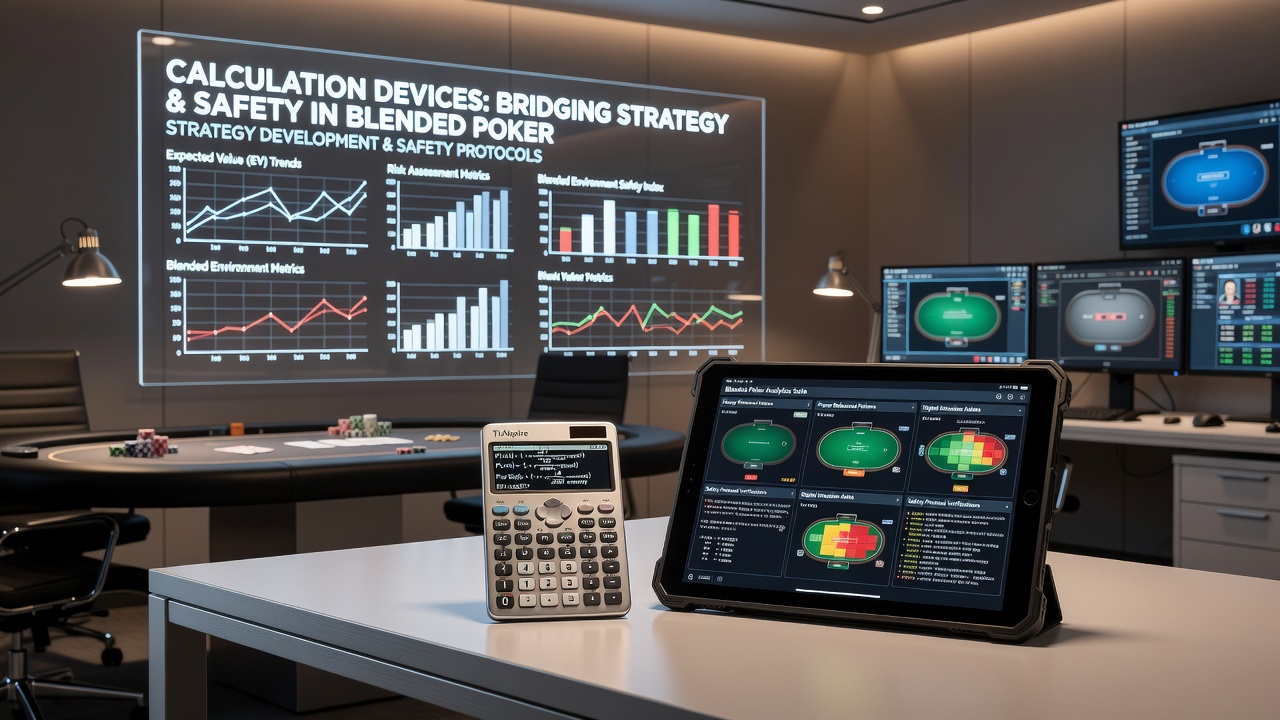
Modern calculation utilities rely on cloud-synced engines that deliver instant odds while routing all outputs through encrypted compliance layers. Engineers design these layers to detect rapid-fire queries that might indicate bot usage, yet still permit legitimate users to explore complex pot-odds scenarios across multiple tables. The architecture separates public strategy features from private safety logs, ensuring that neither function compromises the other during high-stakes hybrid competitions.
Hardware manufacturers have introduced devices with biometric confirmation steps that activate before any strategic data appears on screen. This approach satisfies requirements set by various gaming control boards while giving players immediate access to expected value computations that inform live decisions.
Future Developments in Device Capabilities
Projections released by the European Gaming and Betting Association suggest continued expansion of calculation device usage in cross-format poker through 2027. Developers continue refining algorithms that balance deeper strategic simulations against stricter responsible gaming filters, including dynamic stake adjustments tied to verified bankroll metrics. These refinements maintain compatibility with evolving standards in both live venues and digital platforms operating under unified regulatory umbrellas.
Conclusion
Calculation devices now function as connectors between advanced poker strategy and mandatory safety frameworks in blended environments. Their ability to process complex probabilities in real time while feeding compliance data to oversight systems demonstrates measurable effects on player behavior and operational integrity across multiple jurisdictions. Continued refinement of these tools will likely sustain their role as essential components in regulated hybrid poker ecosystems.