Calculation Resources Aligning Player Protections With Tournament Incentives Across Digital Card Platforms
Written by Klara Zimmermann · Jun 29, 2026
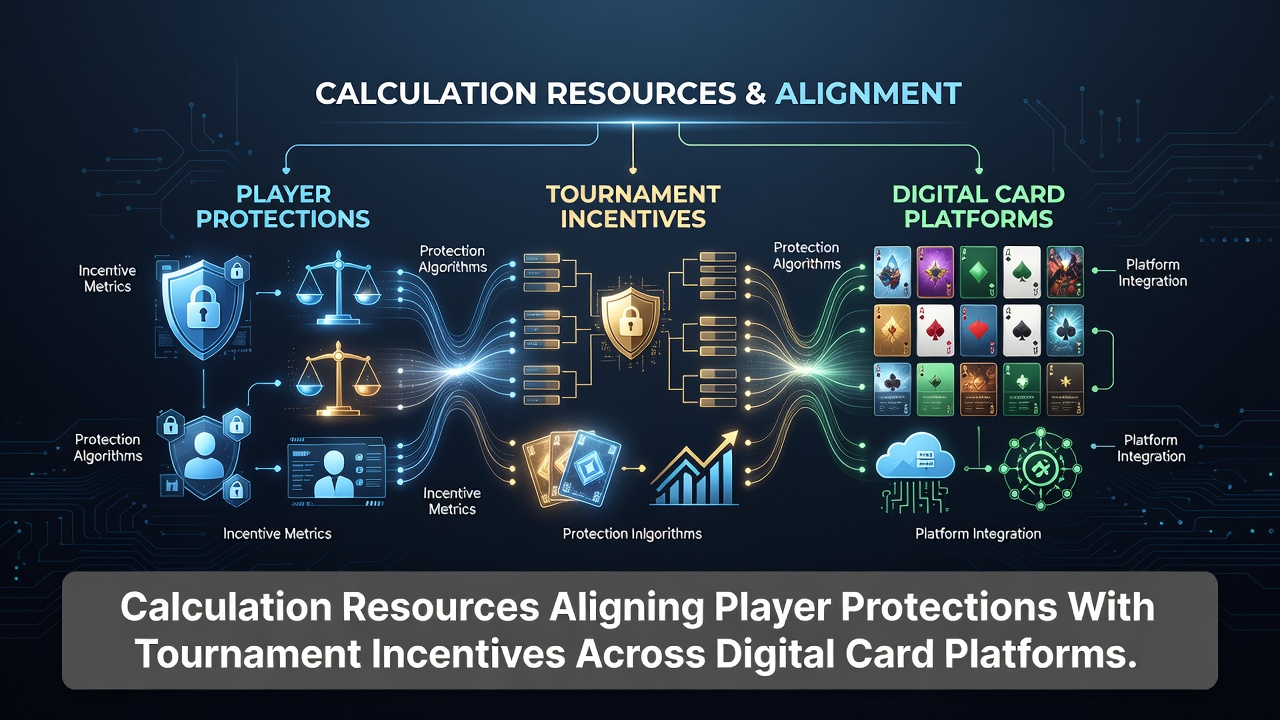
Calculation Resources Aligning Player Protections With Tournament Incentives Across Digital Card Platforms
Digital card platforms have expanded their use of calculation resources to coordinate player protections with tournament incentives, and this coordination appears across multiple jurisdictions during 2026. Platforms deploy probability models, range calculators, and compliance modules that track player activity while distributing rewards such as leaderboard bonuses and entry-fee discounts. Observers note that these systems operate under regulatory frameworks set by bodies including the Nevada Gaming Control Board and the Australian Communications and Media Authority, which require operators to maintain records of both incentive distribution and harm-prevention measures.
Calculation utilities process hand histories, stack sizes, and payout structures in real time, yet they also flag patterns that trigger responsible-gaming interventions. When a player reaches preset thresholds for session length or loss amounts, the software can pause bonus accrual or redirect the account toward self-exclusion tools. This dual function emerged more clearly after several North American operators updated their tournament software in late 2025, integrating the same engines that calculate implied odds with modules that enforce daily deposit limits.
Software Architecture Connecting Analytics and Compliance
Modern tournament engines combine pattern-recognition algorithms with incentive ledgers so that reward eligibility depends partly on adherence to protection protocols. A player who maintains a verified account and stays below velocity limits receives automatic qualification for satellite entries, whereas accounts that trigger velocity alerts lose access to those same entries until a cooling-off period ends. Data from multi-state operators shows that such conditional incentives reduced the frequency of extended sessions by measurable margins during the first quarter of 2026.
Platforms also embed external verification calls to third-party databases that store self-exclusion lists and financial-distress markers. When the calculation layer detects an overlap between a tournament registration request and an active exclusion flag, it blocks the entry and logs the event for regulatory review. Researchers at several European universities have documented similar architectures in regulated markets, noting that the same code base handles both prize-pool projections and mandatory spend-limit checks without requiring separate applications.
Regional Developments Shaping Platform Standards
June 2026 brought additional clarity when several Canadian provinces released updated guidance on daily fantasy and prediction-market taxation, requiring operators to demonstrate that calculation resources can isolate promotional play from cash-play activity. Operators responded by tagging incentive-driven entries separately within their databases so that tax filings distinguish between the two categories. This separation also supports player-protection reporting because platforms can isolate the behavioral impact of bonuses from baseline play.
European operators, meanwhile, aligned their systems with the revised Online Gambling Directive drafts that emphasize algorithmic transparency. Calculation resources must now expose the weighting factors used to determine both payout odds and risk scores, allowing regulators to audit whether incentive structures inadvertently encourage excessive volume. One study released by a consortium of Nordic research institutes found that transparent weighting reduced disputed bonus claims by 18 percent over a six-month test period.
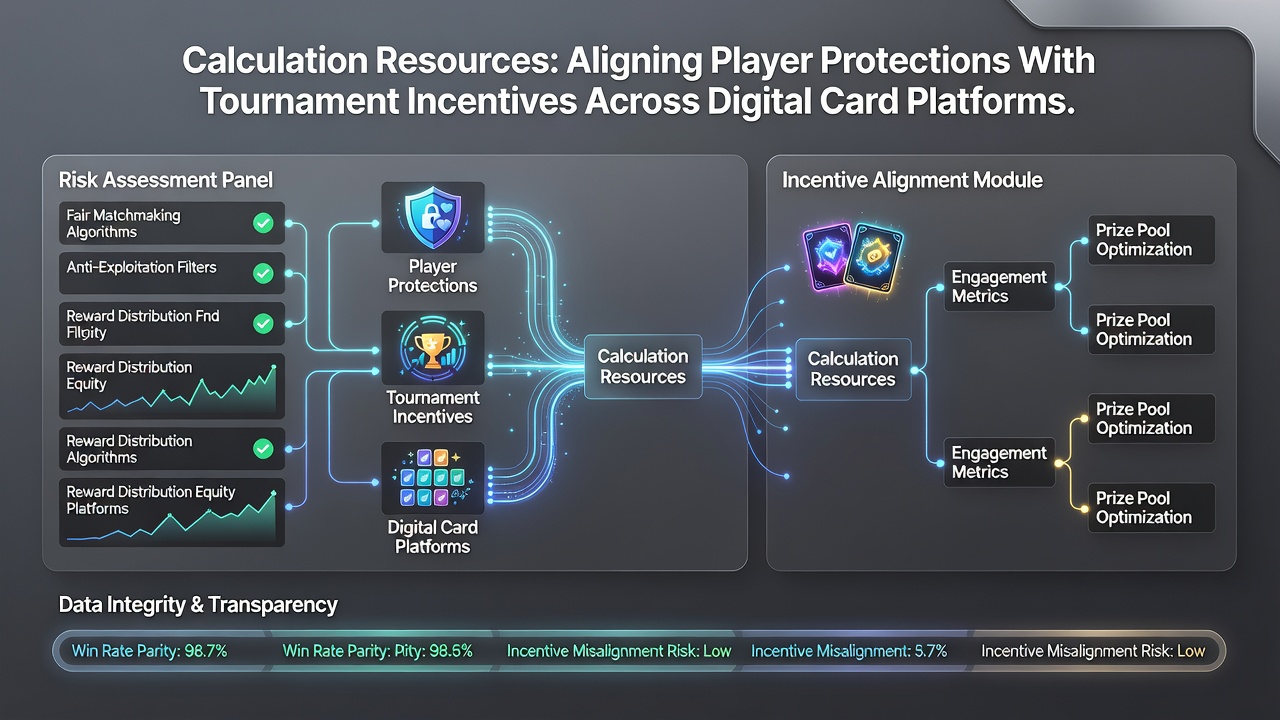
Player Experience Under Integrated Systems
From the user perspective, the interface presents incentive progress alongside protection status. A progress bar may show proximity to a satellite ticket while a separate meter indicates remaining allowable session time before a mandatory break. When either threshold approaches its limit, the software surfaces a notification that explains both the reward consequence and the protection rationale in a single panel. This presentation format emerged after user-testing panels conducted by several major skins reported confusion when the two systems operated independently.
Case records from one mid-sized operator illustrate the practical effect. During a series of weekly $50k guaranteed events, players who accepted an early-session deposit bonus were automatically enrolled in a shorter buy-in bracket if their play velocity exceeded internal benchmarks. The adjustment preserved their eligibility for leaderboard points while enforcing the velocity cap, and subsequent analysis showed no statistically significant drop in overall field size.
Future Calibration of Incentives and Protections
Operators continue to refine the weighting formulas that balance incentive value against protection triggers. Some platforms now apply dynamic multipliers that scale bonus percentages according to a player’s historical compliance score, calculated from deposit frequency, withdrawal patterns, and self-imposed limit usage. Regulators in multiple jurisdictions have requested access to these scoring models to verify that the multipliers do not create unintended concentration of play among higher-risk cohorts.
Industry associations such as the European Gaming and Betting Association have published voluntary guidelines encouraging operators to publish aggregate data on how calculation resources affect both tournament participation and harm indicators. Early adopters report that sharing these metrics has improved dialogue with oversight bodies and reduced the volume of ad-hoc data requests during licensing renewals.
Conclusion
Calculation resources now function as the central mechanism that keeps tournament incentives consistent with player-protection requirements across digital card platforms. By embedding compliance checks inside the same engines that project odds and allocate rewards, operators satisfy regulatory expectations while maintaining competitive prize structures. Continued refinement of these integrated systems, supported by data from diverse regulatory regions, will determine how effectively platforms sustain both engagement and safety standards through the remainder of 2026 and beyond.