Calculation Tools Integrating with Incentive Structures and Security Protocols in Hybrid Card Events
Written by Sam Werner · Jun 15, 2026
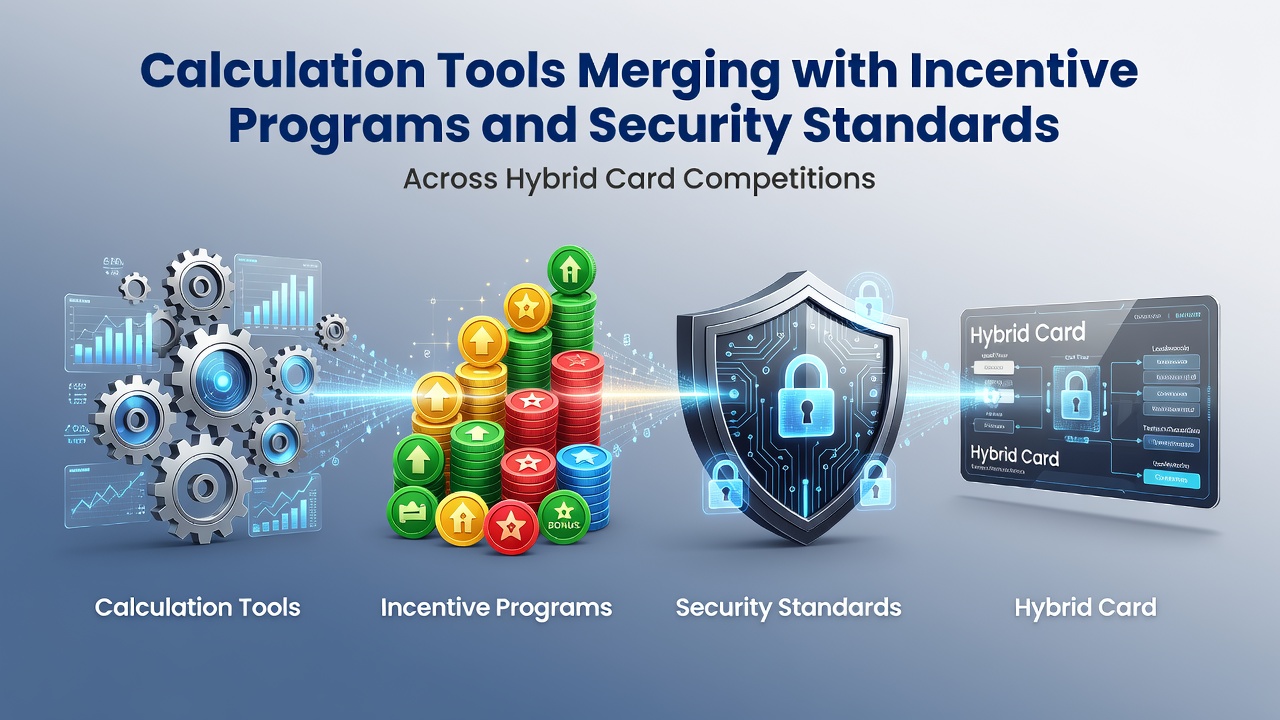
Calculation Tools Integrating with Incentive Structures and Security Protocols in Hybrid Card Events
Calculation utilities have begun merging directly with incentive frameworks and protection measures in events that combine live and virtual card play, creating systems where strategic software supports both player rewards and compliance checks simultaneously. Observers note that these integrations appear in tournaments held across North America and parts of Europe during early 2026, with updates rolling out around June of that year in several major circuits.
Hybrid card competitions rely on tools that perform real-time odds computations while feeding data into bonus allocation engines, and the same platforms often cross-reference security logs to flag irregular patterns. Data from industry reports indicates that operators now link calculation outputs to loyalty point systems so participants receive tiered rewards based on verified strategic accuracy rather than volume of play alone.
Technical Foundations of the Integration
Software developers have embedded calculation modules into tournament management platforms that already handle incentive tracking, allowing a single dashboard to display probability matrices alongside accumulated bonus credits. This setup reduces separate logins and lets organizers apply uniform security filters across both live chip counts and digital hand histories. Research conducted by academic teams at institutions focused on gaming technology shows that such unified systems cut processing delays by connecting directly to regulatory databases without manual transfers.
Encryption standards applied to these merged environments ensure that incentive calculations remain tamper-proof while security protocols monitor for collusion indicators derived from the same computational outputs. Figures from Canadian regulatory summaries reveal increased adoption rates in provinces where hybrid events gained approval in late 2025, with further expansions projected through mid-2026.
Security Standards Applied to Merged Systems
Protection frameworks now require calculation tools to operate within audited sandboxes that log every input and output for later review by oversight bodies. These standards prevent unauthorized modifications to probability algorithms that might influence reward distributions unfairly. Experts tracking developments in Australia have documented how the local communications authority coordinates with event organizers to verify that security layers remain active during both online qualifiers and on-site final tables.
Multi-factor authentication extends to the calculation interfaces themselves, so participants must confirm identity before accessing incentive dashboards that display personalized reward projections. This approach aligns with broader efforts by gaming associations to maintain consistent verification across regions, reducing discrepancies that previously arose when live and digital components used separate authentication flows.
Incentive Program Adjustments Driven by Calculation Data
Operators adjust bonus structures according to aggregated outputs from calculation utilities, awarding additional credits when players demonstrate consistent adherence to optimal ranges within the monitored environment. Such adjustments appear in events scheduled for June 2026, where preliminary data feeds from earlier qualifiers already shape final reward tiers. Studies compiled by European research networks indicate that this data-driven method distributes incentives more evenly across skill levels compared with volume-based models used previously.
Participants in hybrid settings often receive notifications through the same interface that runs calculations, showing how current hand equity translates into projected bonus milestones. This direct linkage keeps players informed without requiring external applications, and the security layer simultaneously validates that the displayed figures match audited tournament parameters.

Regional Implementation Patterns Observed in 2026
North American markets have seen steady rollout of these combined platforms following regulatory updates issued in the first quarter of the year. Figures released by oversight agencies in multiple jurisdictions show that hybrid events incorporating the merged tools reported higher compliance scores during routine audits. Meanwhile, similar frameworks have taken hold in parts of Asia where local gaming commissions coordinate with international software providers to align calculation accuracy with incentive eligibility rules.
One documented case involves a series of qualifiers that fed live table data into centralized calculation servers, which then updated incentive ledgers in real time while maintaining encrypted audit trails accessible to regulators. This model reduced manual reconciliation tasks and allowed organizers to confirm that reward distributions matched verified performance metrics.
Future Trajectories for Tool Integration
Industry associations continue to refine guidelines that govern how calculation outputs interface with both incentive engines and security checkpoints. Reports from research bodies emphasize the importance of maintaining open standards so that different software vendors can connect without compromising protection layers. Events planned later in 2026 will likely test expanded versions of these integrations, particularly where cross-border participation requires synchronized compliance records.
Those monitoring the space note that successful implementations depend on consistent data formatting between calculation modules and the reward tracking systems they support. When these elements align under unified security protocols, the overall operation of hybrid card competitions gains efficiency while preserving the integrity of both strategic assistance and participant incentives.
Conclusion
teh ongoing merger of calculation utilities with incentive programs and security standards continues to reshape operational practices in hybrid card competitions. Data collected through mid-2026 demonstrates measurable improvements in verification speed and reward accuracy across participating regions. As additional events adopt these combined frameworks, regulatory bodies and software developers maintain focus on compatibility and audit readiness to support sustained growth in mixed-format tournaments.