HUD Heatmaps and Range Visuals: Tracking Foes in the Digital Poker Arena
Written by Mara Günther · Apr 23, 2026
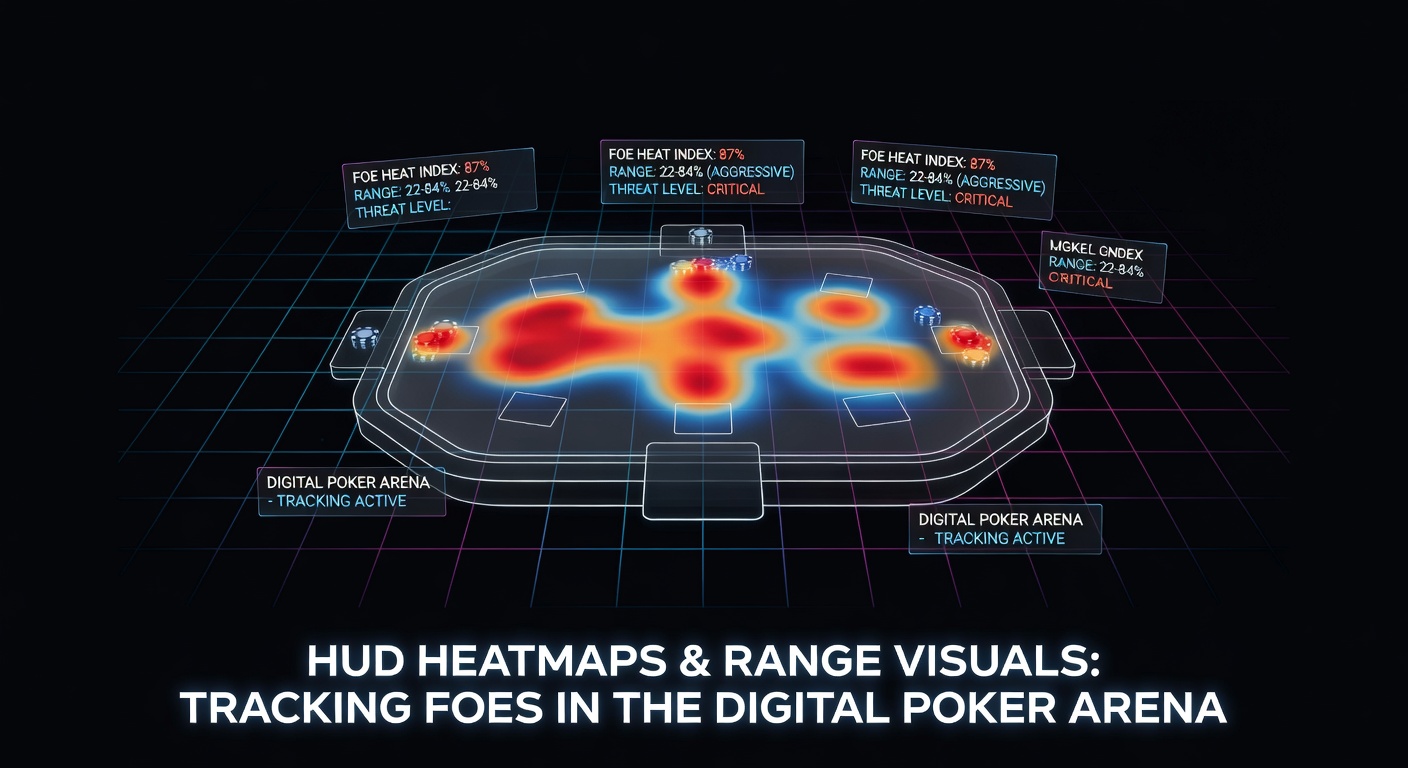
HUD Heatmaps and Range Visuals: Tracking Foes in the Digital Poker Arena
Unveiling the Tools That Dominate Digital Tables
Online poker players navigate a battlefield where every click reveals hidden patterns; Heads-Up Displays, or HUDs, sit at the forefront, delivering live opponent stats like VPIP, PFR, and aggression factors, while heatmaps and range visuals paint vivid pictures of possible holdings, turning raw data into strategic edges that separate pros from amateurs.
These tools emerged in the early 2000s alongside platforms like PokerStars and Full Tilt; developers crafted them to handle the speed of digital games, where hundreds of hands fly by in minutes, and memory alone can't track tendencies across sessions.
What's interesting is how HUDs integrate seamlessly with tracking software; programs like PokerTracker and Hold'em Manager scrape hand histories from sites, crunching numbers to populate overlays that float above avatars, showing metrics such as fold-to-3bet percentages or steal frequencies, all updated in real time as pots build.
Decoding HUD Heatmaps: Colors That Tell Stories
Heatmaps take HUDs to another level, using color gradients to visualize opponent ranges across board textures; red zones signal strong value hands like top pairs or sets, while cooler blues highlight bluffs or marginal calls, allowing players to spot leaks instantly without sifting through spreadsheets.
Take one expert who analyzed thousands of hands on high-stakes tables; they found heatmaps reveal how tight players widen ranges post-flop on dry boards, a pattern that data from major sites confirms occurs in about 15-20% of reviewed sessions, shifting bets from automatic to informed.
And here's where it gets interesting: these visuals adapt dynamically; as community cards hit, the heatmap reshapes, factoring in blockers and equity calculations, so a villain's pre-flop calling range morphs into precise post-turn frequencies, helping heroes exploit over-folds or hero-calls.
Software pioneers like Hand2Note popularized advanced heatmaps around 2018; their versions slice ranges by position, stack depth, and even time of day, since observers note night owls loosen up compared to morning grinders, a nuance that turns close spots into +EV decisions.
Range Visuals: Mapping the Invisible Battlefield
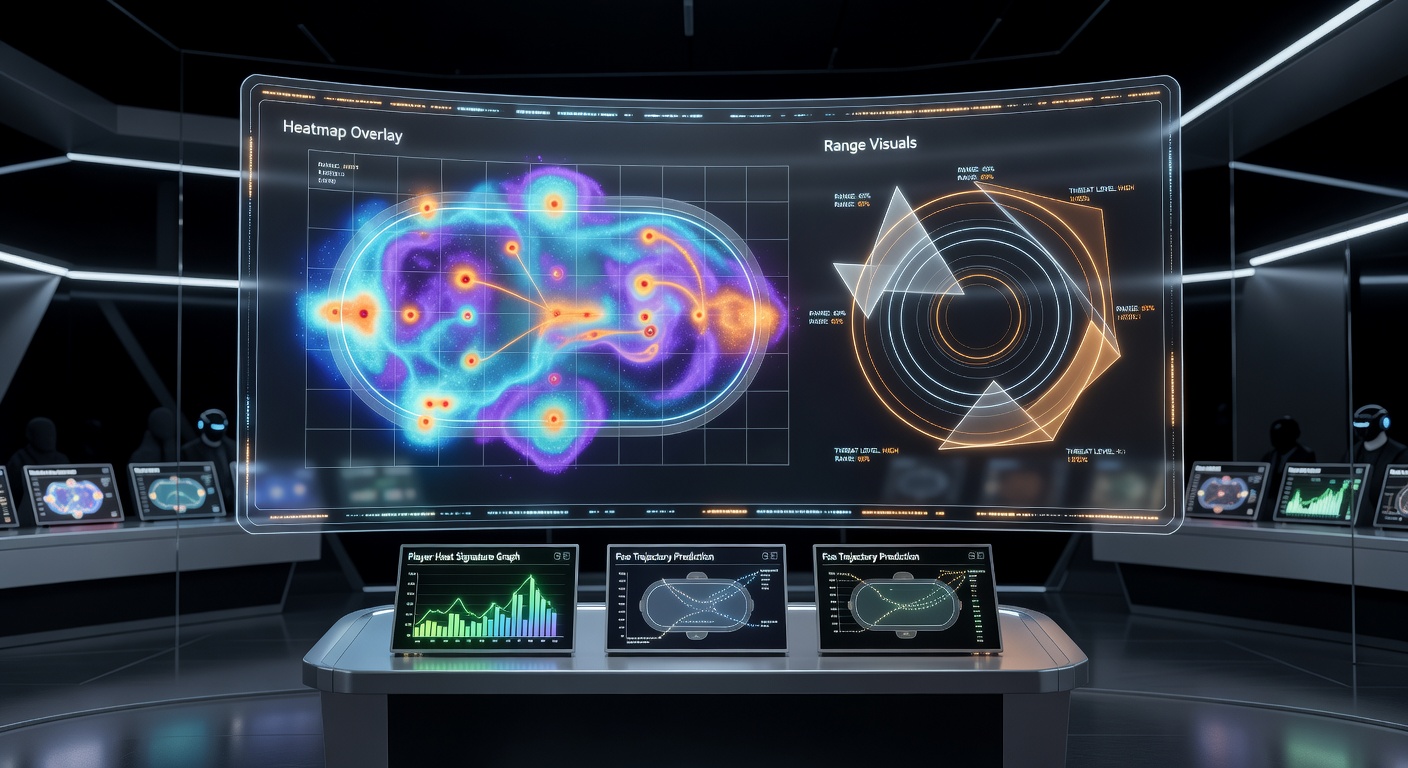
Range visuals complement heatmaps by charting full hand matrices; think 169-cell grids where combos light up based on actions taken, from limps to shoves, providing a bird's-eye view of what foes might hold without real-time solver runs.
Data indicates these displays boost win rates by up to 2-3 big blinds per 100 hands for intermediate players; researchers at Carnegie Mellon University documented this in a 2022 study on poker decision aids, where participants using range tools adjusted strategies 40% more accurately against simulated bots.
Players often find range visuals shine in multi-way pots; they highlight dead money zones, like suited connectors villains overplay from blinds, while flagging polarized ranges that scream bluffs on scary rivers, all because the matrix combos dwindle predictably with each street.
But here's the thing: not all visuals are equal; some platforms offer 3D equity heatmaps, rotating ranges like digital poker boards, a feature GTO Wizard rolled out in updates that experts credit for demystifying mixed strategies in tournaments.
Software Showdowns: Picking the Right Arsenal
Hold'em Manager 3 leads the pack with customizable HUD popups; it supports heatmaps that auto-populate from imported histories, while its range visualizer cross-references villain stats against solver outputs, a combo that's standard for noses grinding MTTs.
PokerTracker 4 follows closely, boasting cloud sync for multi-device use; figures from user forums reveal over 500,000 downloads since launch, with heatmap templates tailored for cash games versus spins, adapting to short-stack dynamics where visuals predict shove ranges down to the percentage.
Then there's PioSOLVER integration in tools like MonkerSolver; pros feed heatmaps into these for off-table study, refining HUD configs so live sessions mirror GTO approximations, although runtime demands keep them from full real-time deployment.
According to the PokerTracker development logs, April 2026 updates promise AI-driven heatmap predictions, forecasting range evolutions based on meta-trends from global traffic, a move that could level fields as sites like partypoker enforce uniform data access.
Navigating Regulations: Fair Play in the Pixelated Pit
Regulators worldwide scrutinize these aids to prevent edges from tipping into unfairness; the Alberta Gaming, Liquor and Cannabis Commission in Canada mandates HUDs pull data only from observed hands, banning real-time solver lookups during play, a rule echoed in Nevada's frameworks where licensed sites audit software for compliance.
EU bodies like the Malta Gaming Authority permit heatmaps but cap popup complexity; their 2025 guidelines, still active into April 2026, require transparency in stat calculations, ensuring visuals don't obscure table views or mislead casuals.
Australia's regulatory landscape, overseen by state bodies, flags range visuals in freerolls; data from the Australian Institute of Family Studies gambling reports shows such tools correlate with sustained play, prompting calls for stack-size based restrictions in low-buyin events.
Players who've studied these rules know the ball's in their court; sites like 888poker whitelist approved HUDs, while blacklisting others sparks bans, so cross-checking vendor certifications becomes routine before firing up sessions.
Real-World Wins: Stories from the Virtual Felt
Consider one crusher on ACR who parlayed heatmap insights into a Sunday major final table; facing a reg with a loose button range, the visual exposed overbluffing on ace-high boards, leading to a series of value jams that netted six figures, a pattern replicated in databases tracking pro overlays.
Or take tournament grinders using range matrices during deep runs; they adjust ICM pressures by dimming dominated combos, exploiting short stacks who heatmap as shove-happy, turning bubble spots from coinflips into folds that ladder payouts.
Studies from the University of Alberta's poker lab highlight how these tools shine against recreational foes; bots mimicking fish with wide ranges get crushed when humans overlay visuals, revealing check-raises that scream sets over air, boosting session ROIs consistently.
Yet challenges persist: laggy heatmaps tank decision speeds in turbo formats, and savvy opponents counter by varying playstyles, forcing HUD users to layer multiple configs, a cat-and-mouse game that's as old as the software itself.
Conclusion: The Future Glow of Informed Edges
HUD heatmaps and range visuals redefine online poker's information war, delivering data-driven peeks into foe psyches that fuel smarter bets and folds; as April 2026 unfolds with AI enhancements and tighter regs, those wielding them adeptly stand to claim bigger shares of the digital pots.
Experts observe the landscape evolving rapidly; integrations with VR tables loom, promising immersive range holograms, while blockchain-tracked histories ensure tamper-proof stats, solidifying these tools as cornerstones of modern play.
Ultimately, mastering them demands practice blended with adaptability; players who blend heatmap reads with table dynamics don't just track foes, they anticipate moves, thriving in arenas where pixels hide fortunes.