Integrating Digital Tools and Safety Protocols in Regulated Online Card Events
Written by Sam Werner · Aug 24, 2026
Integrating Digital Tools and Safety Protocols in Regulated Online Card Events
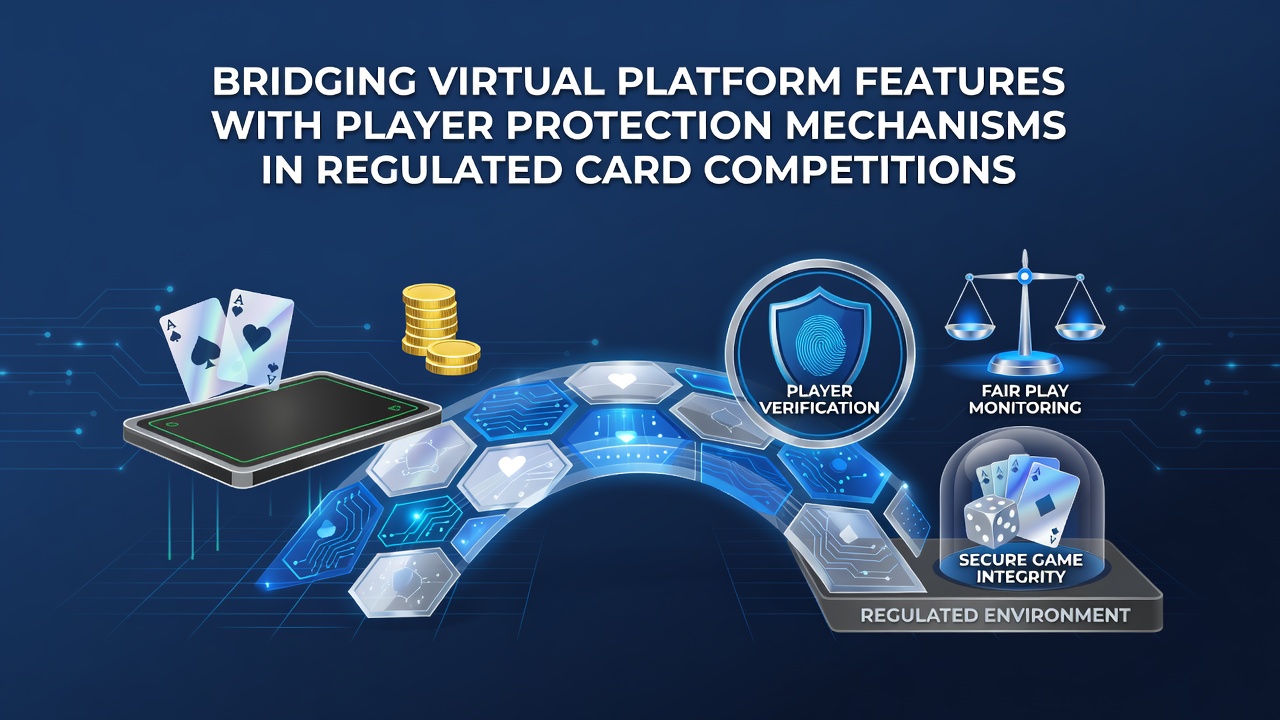
Regulated card competitions continue to blend advanced virtual platform capabilities with mandatory player protection layers, and data from multiple jurisdictions shows steady adoption of these combined systems through 2026. Platforms now embed analytics engines directly into tournament software while routing every session through automated safeguards that monitor time spent and spending patterns in real time. Observers note that this integration allows operators to meet licensing conditions without disrupting gameplay flow, and August 2026 updates in several North American markets have accelerated the rollout of unified dashboards that display both performance metrics and protection status to players.
Platform Features That Support Regulated Play
Virtual environments deliver multi-table interfaces, range visualization tools, and probability calculators that connect to central compliance servers. These features operate alongside automated deposit caps and self-exclusion lists that update across operators within the same regulatory framework. Research from the National Council on Problem Gambling indicates that integrated systems reduce manual reporting burdens by up to 40 percent when compared with earlier separate solutions. Regulators in Ontario and several Australian states require that any new analytics module pass testing for both accuracy and interference with protection triggers before approval.
Protection Mechanisms Embedded in Tournament Software
Player protection tools now include session timers that pause play at predefined intervals, spending trackers that flag unusual patterns, and instant access to cooling-off periods without leaving the table view. Software developers build these controls into the same code base that handles hand history and opponent tracking, which means alerts appear within the active window rather than in separate pop-ups. Figures from the Malta Gaming Authority reveal that operators using unified code saw a 25 percent drop in disputed limit override requests during the first half of 2026. The approach keeps participants informed while preserving the pace of competitive events.
Case Examples From Current Markets
One licensed operator in Michigan combined heat-map overlays with mandatory break reminders that activate after 90 minutes of continuous play, and the combined system maintained compliance during peak tournament hours. Another platform serving European markets linked range analysis software to real-time deposit velocity checks, which automatically lowered table stakes when velocity thresholds were crossed. Data collected across these implementations shows that players who received both strategic insights and protection prompts completed sessions with fewer voluntary exits than those using older standalone tools. Regulators continue to review these outcomes to refine testing protocols ahead of further market expansions planned for late 2026.

Technical Standards Driving the Integration
Industry groups have published technical standards that require protection modules to receive priority processing within the platform architecture, and developers must demonstrate that analytics functions cannot override or delay safety alerts. Testing labs now examine latency between a protection trigger and the corresponding interface response, with current benchmarks set below 200 milliseconds. Those standards also mandate encrypted logging of every protection event so that auditors can reconstruct sequences without accessing full hand data. Platforms that meet these criteria receive faster certification renewals in multiple jurisdictions.
Regulatory Oversight and Reporting Requirements
Licensing bodies require monthly reports that separate protection events from performance data while confirming that the two streams remain linked inside the operating system. Canadian provincial regulators and the New Jersey Division of Gaming Enforcement both accept unified data formats that reduce duplication, and early submissions from 2026 show consistent alignment between reported incidents and platform logs. The process allows authorities to verify that features such as multi-table tracking do not interfere with spending limit enforcement across concurrent sessions.
Conclusion
Regulated card competitions now operate under frameworks that treat platform features and protection mechanisms as interdependent components rather than separate add-ons. Continued updates scheduled through the remainder of 2026 focus on expanding cross-operator data sharing while maintaining strict separation between analytical outputs and personal limit records. This ongoing alignment supports both competitive integrity and licensing compliance across expanding digital markets.