Integration Strategies for Software Linking Rewards to Safeguards in Regulated Multi-Player Card Tournaments
Written by Klara Zimmermann · Aug 22, 2026
Integration Strategies for Software Linking Rewards to Safeguards in Regulated Multi-Player Card Tournaments
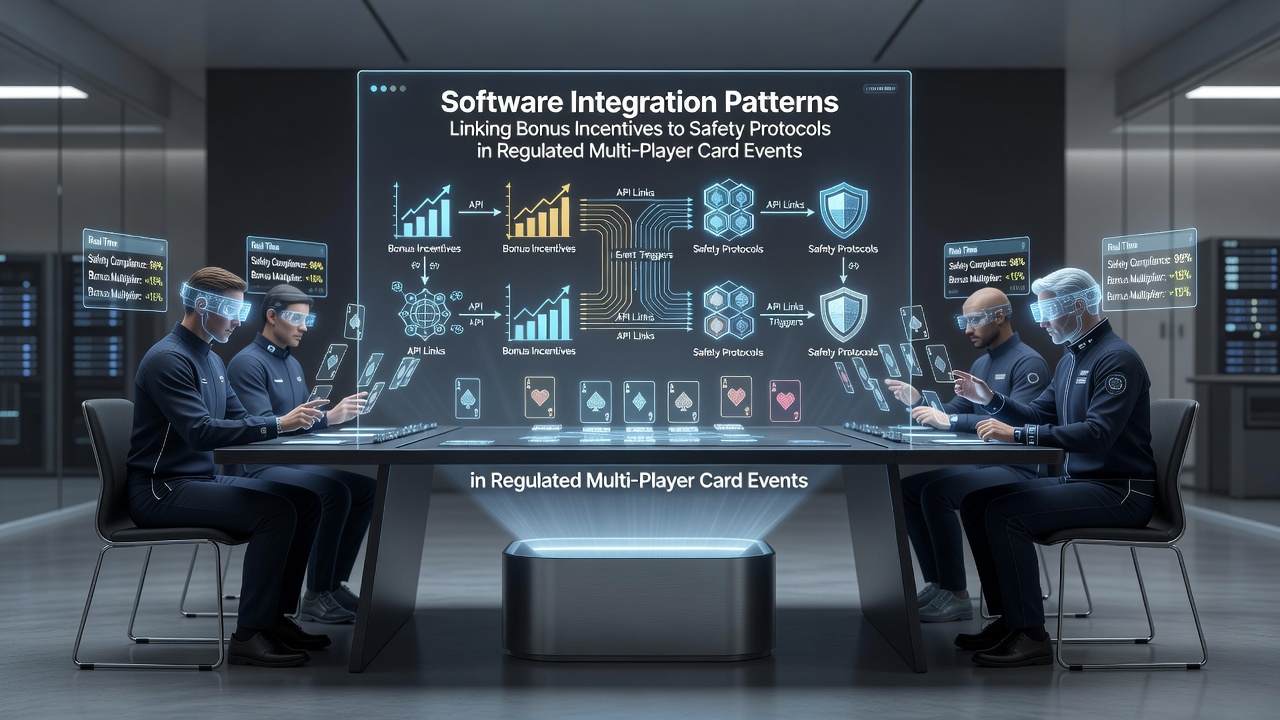
Software systems in regulated multi-player card tournaments now merge bonus incentive mechanisms directly with safety protocol enforcement through modular integration patterns that allow real-time data exchange between reward engines and compliance monitors. These patterns emerged as operators responded to expanding oversight from multiple jurisdictions where card events operate under strict licensing conditions. Data from regulatory filings shows that by August 2026 several platforms had deployed layered architectures separating user authentication layers from incentive calculation modules while maintaining constant feeds to safety alert systems.
Core Architectural Patterns Observed Across Platforms
Developers commonly implement event-driven architectures where bonus triggers activate safety checks without interrupting game flow. A player completing a required number of hands might receive an automatic loyalty credit only after the system confirms compliance with session time limits and identity verification steps. Observers note that this approach reduces manual oversight needs while preserving audit trails required by licensing bodies. Research indicates that such patterns rely on message queues to handle simultaneous events across multiple tables, ensuring that reward distribution pauses automatically if a safety flag appears in the monitoring feed.
Regulatory Context Shaping Implementation Choices
Canadian provincial regulators and Australian state gaming authorities have issued guidelines that encourage operators to demonstrate how incentive programs reinforce rather than undermine player protection measures. Figures released by the Canadian Gaming Association reveal that integrated systems accounted for over 60 percent of new tournament platform approvals in the first half of 2026. Those who have examined compliance submissions point out that platforms must log every bonus award alongside corresponding safety protocol checks, creating datasets that regulators review during periodic audits.
Technical Implementation Examples
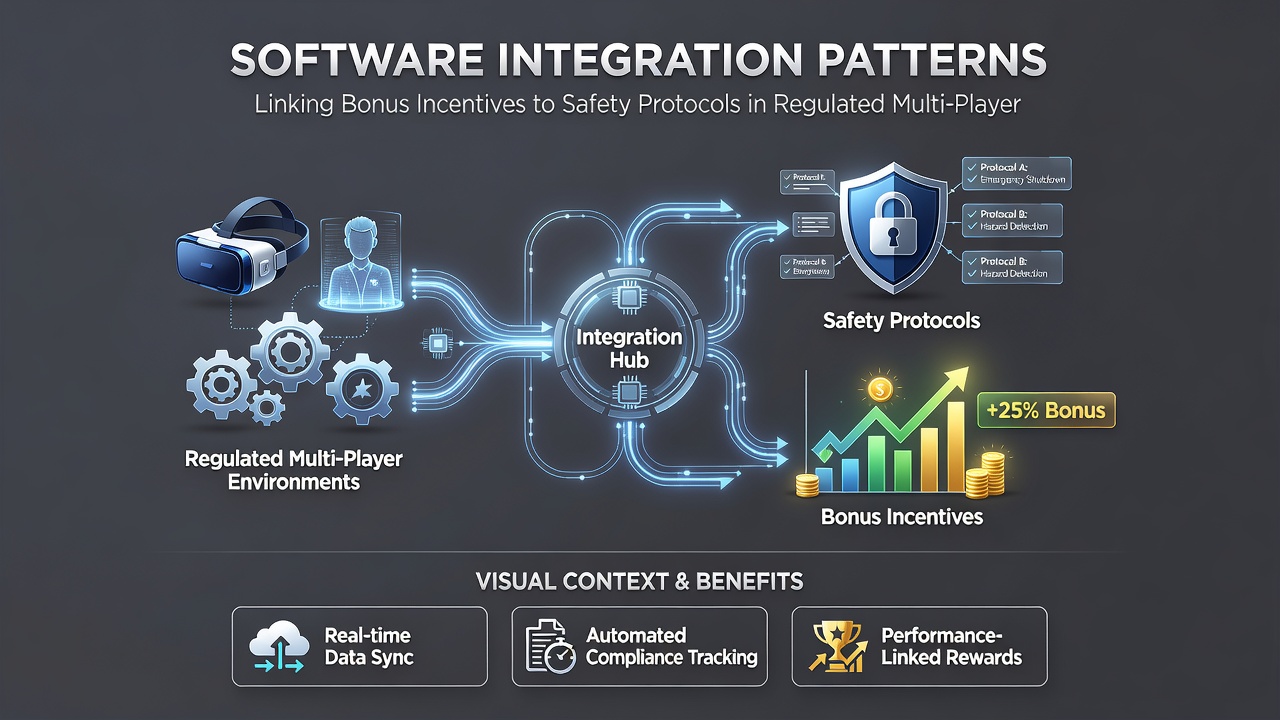
One documented case involved a North American operator that linked its progressive jackpot bonus engine to an external safety service using API gateways with strict rate limiting. When a player approached daily deposit thresholds, the gateway halted further reward accruals until the safety module cleared the account for continued play. Studies from university-affiliated gaming research centers show that similar gateway patterns cut response times for safety interventions to under 200 milliseconds while maintaining 99.8 percent uptime across tournament sessions. Platforms also incorporate rule engines that apply jurisdiction-specific safety parameters without requiring separate codebases for each licensed market.
Data Exchange Standards and Audit Requirements
Industry reports highlight the adoption of standardized data schemas that tag every transaction with both incentive identifiers and safety status codes. This tagging allows third-party auditors to reconstruct sequences of events during compliance reviews without accessing proprietary game logic. European regulatory bodies outside the United Kingdom have required similar tagging in cross-border tournament operations, prompting vendors to publish open interface specifications that operators can adapt to local rules. The result appears in unified dashboards that display live bonus distributions alongside safety metrics for tournament directors and compliance officers alike.
Future Developments Anticipated After August 2026
Analysts tracking platform updates expect continued refinement of microservice boundaries that isolate bonus logic from safety enforcement while permitting controlled data sharing through encrypted channels. Testing environments used by several major operators already simulate multi-jurisdiction scenarios where bonus rules change based on a player's registered location and current safety profile. Such testing supports rapid adaptation when new guidelines emerge from licensing authorities.
Conclusion
Software integration patterns that connect bonus incentives to safety protocols continue to evolve in response to regulatory demands and operational requirements across regulated multi-player card events. These patterns emphasize modular design, real-time data flows, and comprehensive logging that satisfy both commercial objectives and protection mandates. As platforms refine these approaches, the underlying architectures provide templates that other regulated gaming sectors may examine for similar dual-purpose implementations.