Multi-Table Poker Analytics: Pattern Recognition Software and Player Protection Integration
Written by Sam Werner · May 23, 2026
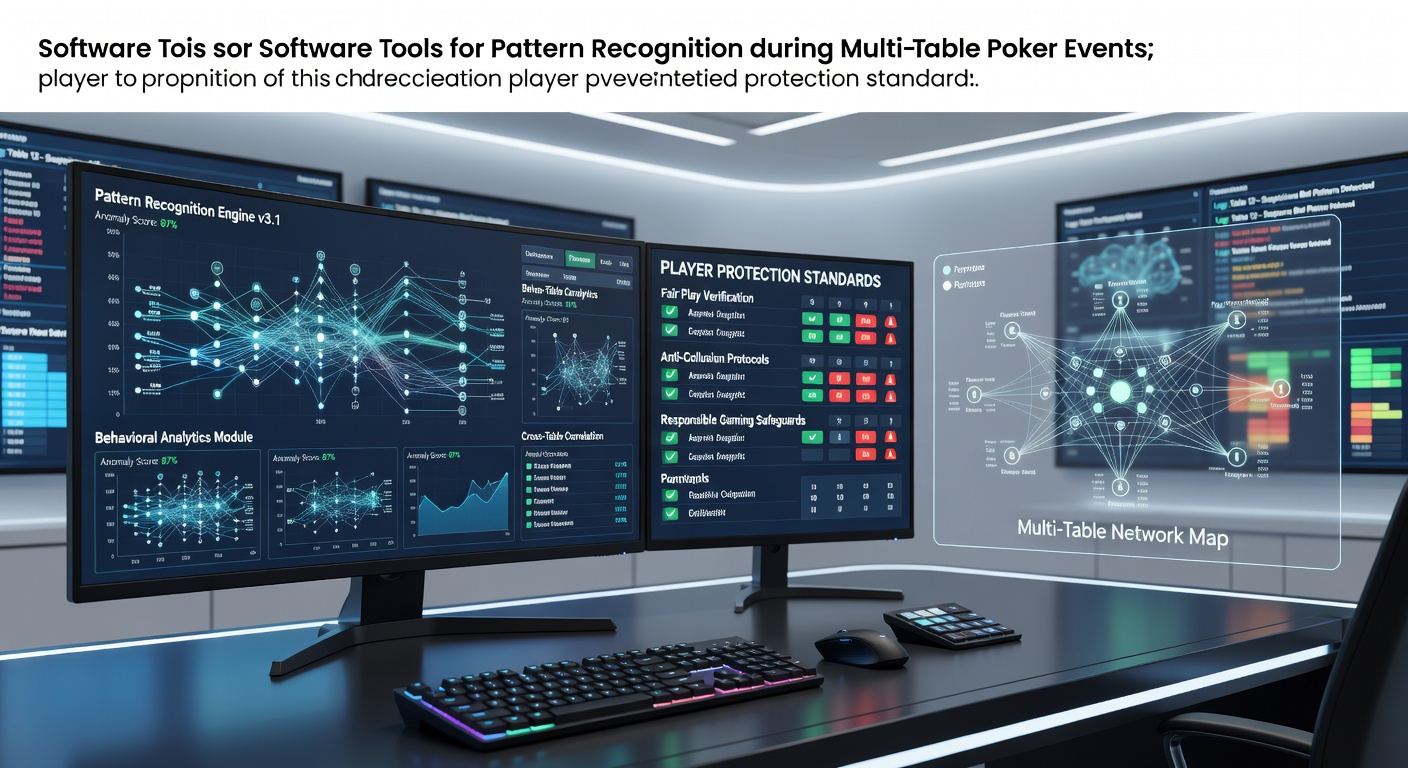
Multi-Table Poker Analytics: Pattern Recognition Software and Player Protection Integration
Pattern recognition software has become central to multi-table poker events where players often compete across several tables at once and operators need systems that flag irregular activity in real time. These tools scan betting sequences, timing patterns, and decision clusters to identify potential issues such as coordinated play or automated scripts, and they connect directly to broader player protection frameworks enforced by regulators in multiple jurisdictions.
How Recognition Platforms Operate in Multi-Table Settings
Specialized algorithms process streams of hand data from dozens or hundreds of simultaneous tables, comparing individual actions against established baselines for similar stack sizes and tournament stages. When deviations appear, such as consistent over-folding in specific spots or synchronized raises across unrelated tables, the system generates alerts that compliance teams review. Data from these platforms shows that detection rates for suspicious clusters improved notably after operators adopted machine learning models trained on historical tournament logs during 2024 and 2025.
Operators integrate these systems with existing tournament management software so that flags trigger automated pauses or manual reviews without interrupting the overall event flow. In practice, one major platform used during European online series in early 2026 combined velocity checks with range analysis to separate human variability from scripted behavior, resulting in fewer false positives than earlier rule-based versions.
Direct Connections to Player Protection Standards
Regulatory bodies require that pattern detection feeds into responsible gambling measures, including session limits and self-exclusion lists. When software identifies prolonged multi-tabling sessions with escalating bet sizes that match known risk markers, it can prompt cooling-off notifications or temporary table restrictions. Figures released by the National Council on Problem Gambling indicate that integrated alert systems helped operators reach at-risk accounts 18 percent faster in the first quarter of 2026 compared with standalone monitoring.
Those protections extend to collusion prevention because coordinated patterns often signal attempts to manipulate prize pools or exploit weaker participants. Compliance teams cross-reference flagged tables against account verification records, creating audit trails that satisfy requirements from authorities in North America and Australia. The process supports fair play while giving players transparent explanations when accounts face review.
Developments Observed Through May 2026
Updates rolled out in May 2026 introduced real-time dashboard sharing between operators and third-party auditors, allowing faster verification of pattern-based decisions. Several platforms added privacy-preserving layers so that personal identifiers remain hashed during initial scans, aligning with data protection rules in the European Union and Canada. Tournament directors reported smoother operations during large-field events because the software now prioritizes high-confidence alerts over every minor deviation.
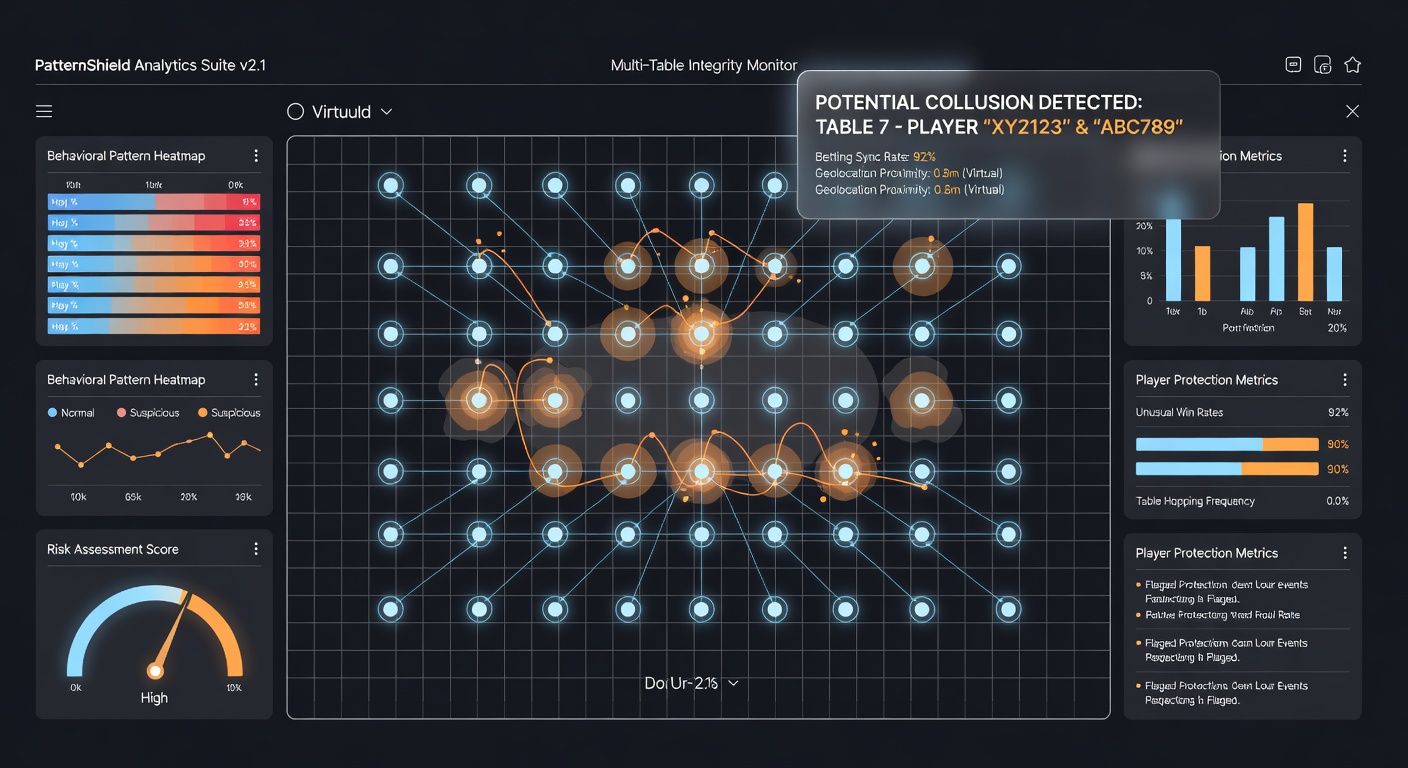
Industry reports from the same period highlight that multi-table events using these enhanced tools experienced fewer disputed hands related to suspected automation. One case involved a mid-stakes series where pattern analysis isolated three accounts exhibiting identical timing across eight tables, leading to voluntary account reviews rather than outright bans. Observers note that the combination of pattern data and human oversight reduced escalation rates while maintaining event integrity.
Implementation Examples Across Regions
North American operators have paired pattern tools with state-mandated responsible gambling portals, routing high-risk detections straight into voluntary limit-setting interfaces. In contrast, Australian-facing sites emphasize pre-tournament education modules that explain how monitoring works, giving participants clearer expectations before they register for multi-table formats. Both approaches rely on the same core technology yet adapt the player-facing elements to local standards.
Take one research collaboration between a university data science department and a mid-sized operator that tracked decision entropy across thousands of multi-table hands. Their findings, published in an industry journal, demonstrated that entropy drops often preceded larger deviations, providing an early signal that protection teams could act on before problems escalated.
Future Integration Paths
Continued refinement focuses on reducing latency so alerts reach reviewers within seconds rather than minutes during peak tournament hours. Partnerships with academic groups are exploring predictive models that combine pattern data with broader behavioral indicators, always under strict consent frameworks. Regulators in several markets have signaled that future licensing renewals will require documented use of such integrated systems, making adoption less optional for larger operators.
Conclusion
Pattern recognition software now forms a core layer of multi-table poker operations, linking technical detection capabilities with regulatory expectations around player safety and event fairness. As platforms evolve through 2026, the emphasis remains on accurate, auditable processes that protect participants without stifling legitimate play. Operators that maintain transparent records of how these tools function continue to meet the shifting standards set by oversight bodies across different regions.