Pattern Recognition Systems in Licensed Card Rooms Bridge Tournament Structures with Compliance Standards
Written by Klara Richter · Jun 27, 2026
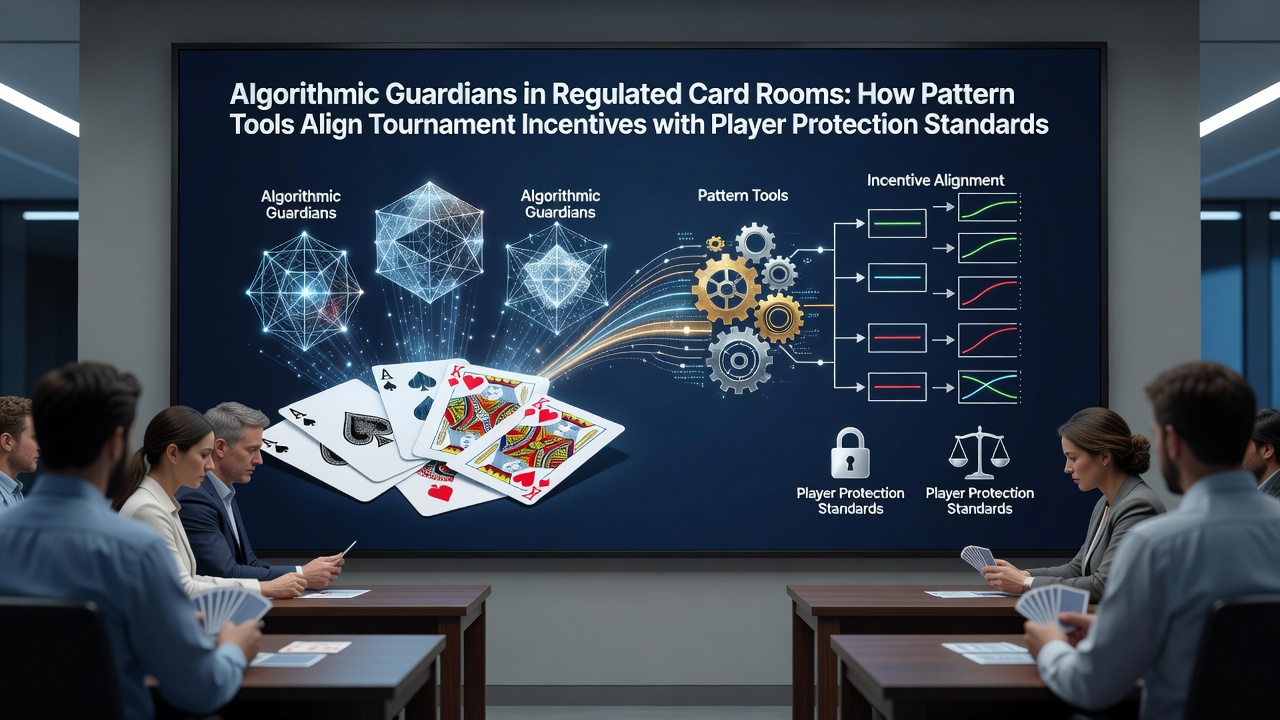
Pattern Recognition Systems in Licensed Card Rooms Bridge Tournament Structures with Compliance Standards
Regulated card rooms have integrated pattern recognition software into tournament operations to monitor player behavior and maintain alignment between competitive incentives and established protection protocols, and data from multiple jurisdictions shows these systems process hand histories in real time while flagging deviations that could indicate collusion or irregular play. Observers note that such tools operate alongside existing incentive structures like leaderboard bonuses and satellite qualifiers, allowing operators to adjust reward distributions without disrupting event flow. Research indicates that by June 2026 several North American facilities had expanded these integrations following updates to multi-table event guidelines, which required documented compliance with player safety measures across both live and hybrid formats.
Core Functions of Pattern Analysis Platforms
Pattern analysis platforms examine sequences of actions such as bet sizing trends, fold frequencies, and timing intervals across thousands of hands per hour, while connecting individual player profiles to broader table dynamics through statistical clustering methods. Those who manage tournament floors report that the software generates alerts when observed patterns diverge from expected ranges derived from historical datasets, and this process supports decisions on whether additional oversight or rule adjustments are needed during ongoing events. Studies from academic institutions have documented how these systems reduce the time required to review potential violations, allowing compliance teams to focus resources on verified cases rather than routine monitoring.
Alignment Between Tournament Incentives and Regulatory Requirements
Tournament organizers design incentive programs around entry fees, prize pools, and progression structures that encourage participation, yet regulatory frameworks in licensed jurisdictions demand safeguards against exploitation that could undermine player trust. Pattern tools address this intersection by providing continuous data streams that verify whether incentive mechanisms produce outcomes consistent with fair play standards, and operators use the resulting metrics to recalibrate bonus eligibility or seating algorithms when imbalances appear. Evidence from industry reports reveals that facilities employing these systems have maintained higher retention rates during extended series because participants receive clearer assurances that rule enforcement remains consistent across all tables.
Take one operator in a jurisdiction that updated its hybrid event rules in early 2026, where integration of pattern detection allowed real-time adjustment of satellite structures to prevent stacking advantages, and this approach satisfied both competitive objectives and external audit requirements without halting play. What's interesting is how the same datasets also feed into broader player protection dashboards that track session duration and voluntary self-exclusion requests, creating a unified compliance record that regulators can access during periodic reviews.
Player Protection Mechanisms Supported by Analytical Software
Player protection standards in regulated environments encompass limits on simultaneous entries, restrictions on certain device usage, and protocols for identifying vulnerable participants, and pattern recognition contributes by cross-referencing behavioral markers with these rulesets. Researchers have observed that algorithms trained on anonymized datasets can predict when a player's action distribution suggests fatigue or distress, prompting staff to initiate wellness checks before issues escalate. According to figures from the Nevada Gaming Control Board, card rooms utilizing integrated analytics reported a measurable decrease in disputed hands during the first half of 2026, attributing the improvement to proactive interventions guided by pattern alerts rather than post-event investigations alone.

Those who've studied implementation across multiple sites note that the technology also supports responsible gaming features by logging interactions with deposit limits and time-out requests, then correlating this information with tournament participation data to ensure operators meet jurisdictional mandates. But here's the thing: success depends on transparent data handling practices that maintain participant privacy while still delivering actionable insights to floor supervisors and regulatory bodies.
Examples from Operational Environments
One documented case involved a series of daily tournaments where pattern tools identified a cluster of accounts exhibiting synchronized betting patterns across different tables, leading to temporary holds pending further review, and the operator subsequently revised seating algorithms to reduce recurrence. Another facility incorporated the analytics into its loyalty program structure, using historical compliance scores to determine eligibility for higher-stakes events, which aligned incentive distribution with sustained adherence to protection standards. Data shows that such applications have become more common as hybrid events proliferate, particularly following the expanded North American tournament calendar that began rolling out additional dates in June 2026.
Regulatory Context and Future Developments
Licensing authorities across different regions continue to refine expectations around software validation and audit trails for pattern recognition systems, with emphasis on interoperability between platforms used by operators and oversight agencies. Industry associations have published guidelines that recommend periodic third-party testing of algorithmic accuracy to prevent false positives that might unfairly impact players, and these recommendations have influenced procurement decisions at multiple card rooms preparing for the latter half of 2026. Observers note that ongoing collaboration between technology providers and regulators aims to standardize reporting formats, which would streamline compliance verification while preserving the flexibility needed for diverse tournament formats.
Conclusion
Pattern recognition systems continue to evolve as core components of regulated card room operations, supplying the data infrastructure that connects tournament incentive design with player protection obligations. Facilities that maintain these integrations demonstrate measurable consistency in rule application and participant safeguards, and further refinements are expected as more jurisdictions incorporate explicit analytics requirements into their licensing conditions. The result is an operational environment where competitive structures and compliance standards operate from shared information sources rather than separate processes.